
6 articles
Physiotherapy services at Tylurs com for sports injuries, back and neck pain, post-surgery and neurological rehabilitation, manual therapy and falls prevention. Every plan starts with a…
Tylurs com physiotherapy library
Common conditions treated with physiotherapy at Tylurs com, from lower back pain and sciatica to frozen shoulder, ankle sprains and tendon problems. Find your area of pain and learn what helps.
Browse our physiotherapy topics
Physiotherapy services at Tylurs com for sports injuries, back and neck pain, post-surgery and neurological rehabilitation, manual therapy and falls prevention. Every plan starts with a…
ExploreCommon conditions treated with physiotherapy at Tylurs com, from lower back pain and sciatica to frozen shoulder, ankle sprains and tendon problems. Find your area of…
ExplorePractical, evidence-based physiotherapy advice from the Tylurs com team on easing pain, recovering from injury and surgery, and staying active, written in plain English.
ExploreEvery article is written and reviewed by the Tylurs com Editorial Team.
Latest articles
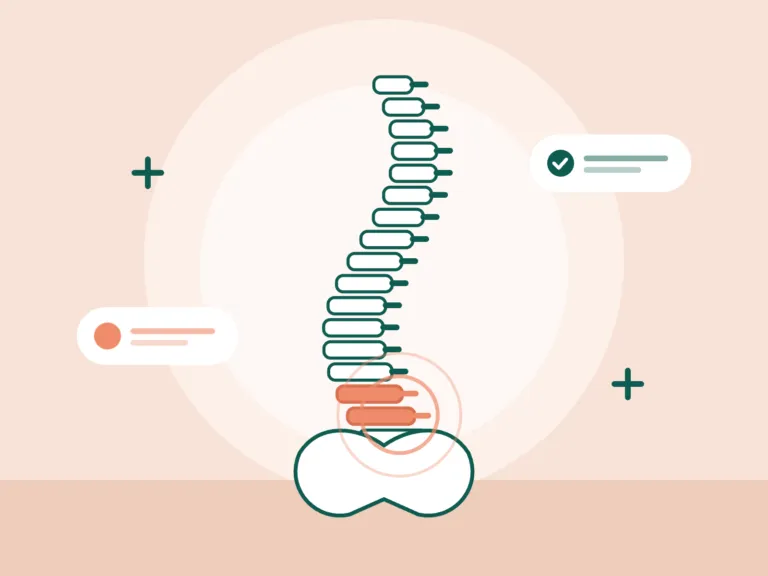
Lower back pain is very common and rarely serious. Staying active, building strength and understanding your pain usually help most. Here is what causes it, what to do in a flare-up and when to seek urgent help.
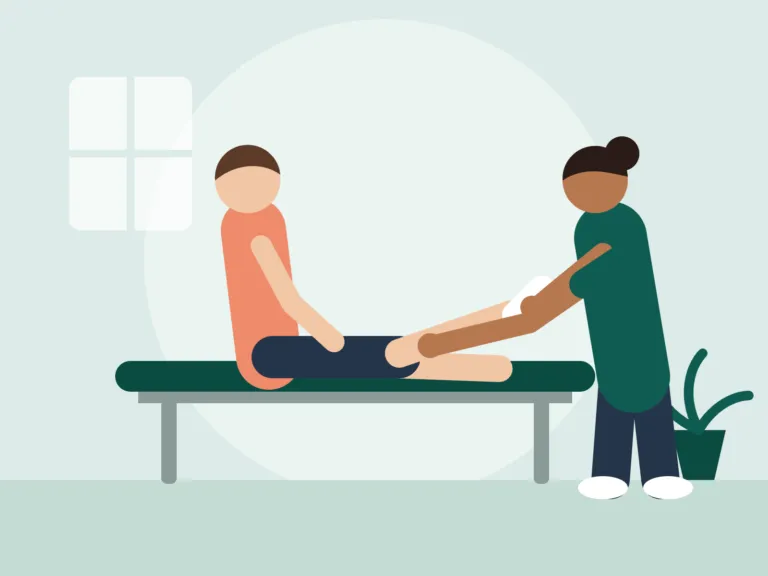
Most knee pain, including osteoarthritis and pain around the kneecap, improves with targeted strengthening, sensible activity changes and clear advice. Here is how physiotherapy helps and when to see a doctor.
From lower back pain and sciatica to frozen shoulder, ankle sprains and tendon problems, these are some of the most common conditions treated with physiotherapy. Find your area of pain, learn what helps and see when to get checked by a doctor.
Physiotherapy is often a sensible first step for problems that affect how you move, whether that is a back that seized up overnight, a knee that aches on the stairs or a shoulder that will not lift above your head. The conditions treated with physiotherapy at Tylurs com range from sudden sports injuries to aches that have built up slowly over months or years.
Use the body-area guide below to find your condition, and check when it is better to see a doctor first.
Different tissues need different kinds of help:
Across all of these, advice matters as much as treatment: knowing what is going on and what you can safely do reduces worry and keeps you active.
Your first appointment starts with a conversation about how the problem began, what makes it better or worse and how it affects your day. Your physiotherapist also asks screening questions about your general health as a safety check.
They then look at how you move, test strength and flexibility, and may gently examine the painful area. By the end, you should understand the most likely cause of your symptoms and the plan. Our guide to your first physiotherapy appointment explains the visit in more detail.
Lower back pain affects most people at some point, and sciatica causes pain that travels from the back into the buttock and leg. We also treat neck pain, including whiplash, and posture-related pain from desk work or long drives. Our back and neck pain treatment brings these together.
Frozen shoulder causes pain and stiffness that build up gradually and, according to the NHS, can take months or even years to settle, while tennis elbow and golfer's elbow cause pain around the elbow when you grip or lift.
Hip pain can come from the joint itself or from the tendons and bursae (small fluid-filled cushions) around it. Knee pain includes osteoarthritis, runner's knee and ligament problems.
Ankle sprains and hamstring strains are common in sport and everyday life. Plantar fasciitis causes heel pain that is often worst with your first steps in the morning, and tendinopathy can affect the Achilles, knee, hip, shoulder or elbow. Our sports injury rehabilitation service covers all of these.
For most muscle and joint problems, you can see a physiotherapist without a referral. Physiotherapists are trained to spot signs that something needs medical attention and will refer you to your GP when needed.
See your GP first if you feel generally unwell, have lost weight without trying, or have pain with no obvious cause that is steadily getting worse or is worse at night. A doctor is also the right person for questions about medication.
Physiotherapy is not an emergency service. Call the emergency services or go to your nearest emergency department straight away if you have:
Get urgent medical advice the same day, from your GP or an urgent care service, if you have:
The NHS pages on back pain and sprains and strains set out these warning signs in more detail.
If your condition is listed here, or you are not sure what is causing your pain, Tylurs physiotherapists can assess you and explain your options. While you wait, try our exercises for lower back pain or our guide to ice or heat after an injury. When you are ready, book your physiotherapy assessment.
Yes. Working out the likely cause is part of what your physiotherapist does at your first appointment. By asking about your symptoms and testing how you move, they can usually identify where the pain is coming from and what is keeping it going. If anything points to a problem that needs medical tests or a doctor's opinion, they will explain this and help you take the next step.
Many minor strains and bouts of back or neck pain start to ease within a few weeks with sensible self-care. It is worth booking an assessment sooner if the pain is stopping you working, sleeping or exercising, keeps coming back, or is not improving after a couple of weeks. After a significant injury, get checked by a doctor first if a fracture is possible.
Physiotherapy is one of the main non-surgical options for osteoarthritis, which most often affects the knees, hips and hands. Regular, well-chosen exercise can ease pain and stiffness and help you stay active, and the NHS suggests a structured exercise plan with a physiotherapist when symptoms are more severe. Inflammatory arthritis, such as rheumatoid arthritis, also needs care from your GP or rheumatology team.
The twelve conditions on this page are some of the most common problems physiotherapists treat, not a complete list. Physiotherapists treat many other muscle, joint and nerve problems, from jaw pain to wrist injuries. Send us a short description through the booking form and we will tell you honestly whether we can help or whether another professional would be better placed.
Often, yes. Pain that has lasted months or years often involves more than the original injury, such as weakness, stiffness, altered movement habits and a more sensitive nervous system. Treatment focuses on gradually rebuilding strength and confidence, understanding your pain and finding activity levels you can manage. Progress can be slower than with a new injury, but meaningful improvement is often possible.
Not sure which treatment you need?
Book an assessment and a Tylurs physiotherapist will find the cause of your pain and build a clear plan with you.